How to Calculate Return on Ad Spend (ROAS)
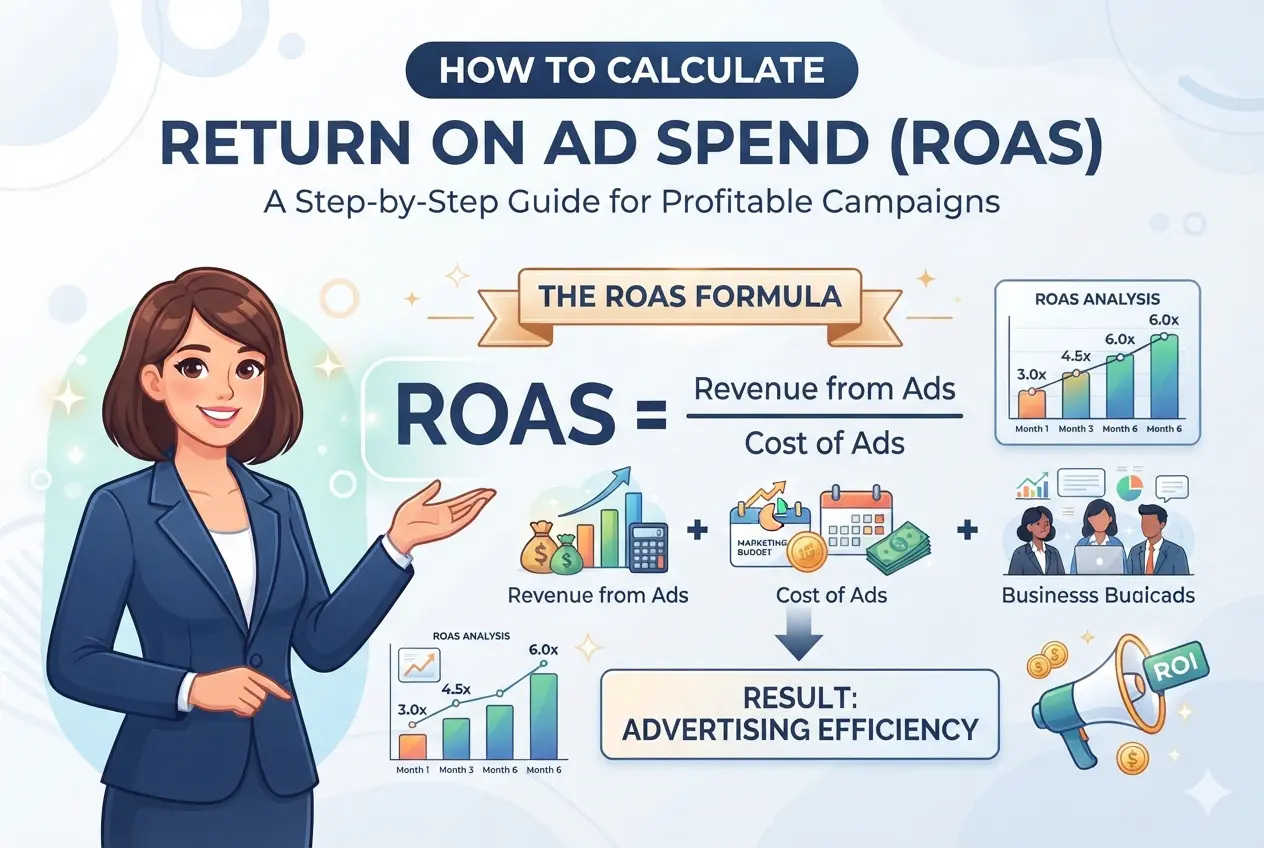
What Is Return on Ad Spend (ROAS)? Return on Ad Spend (ROAS) is a digital advertising metric that measures how much revenue a business generates for every unit of money spent on advertising. It helps marketers evaluate ad campaign performance and understand whether their paid media activities are generating measurable sales. For example, if a … Read more
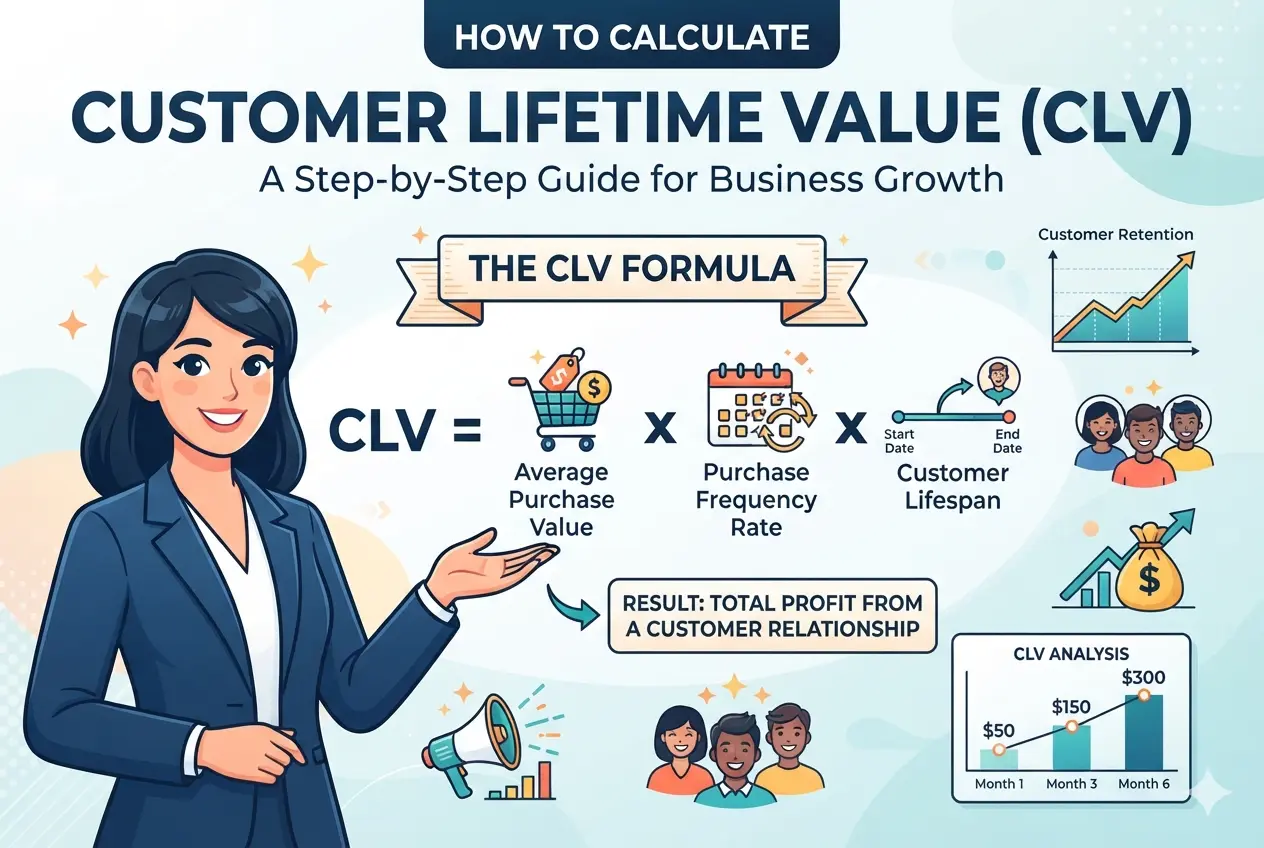
How to Calculate Customer Lifetime Value (CLV)

Customer Lifetime Value (CLV), also called lifetime customer value, estimates the total revenue or profit a business can expect from a customer throughout the relationship. It helps businesses understand how valuable their customers are over time rather than focusing only on individual purchases. For example, a customer who spends $50 once may be less valuable … Read more

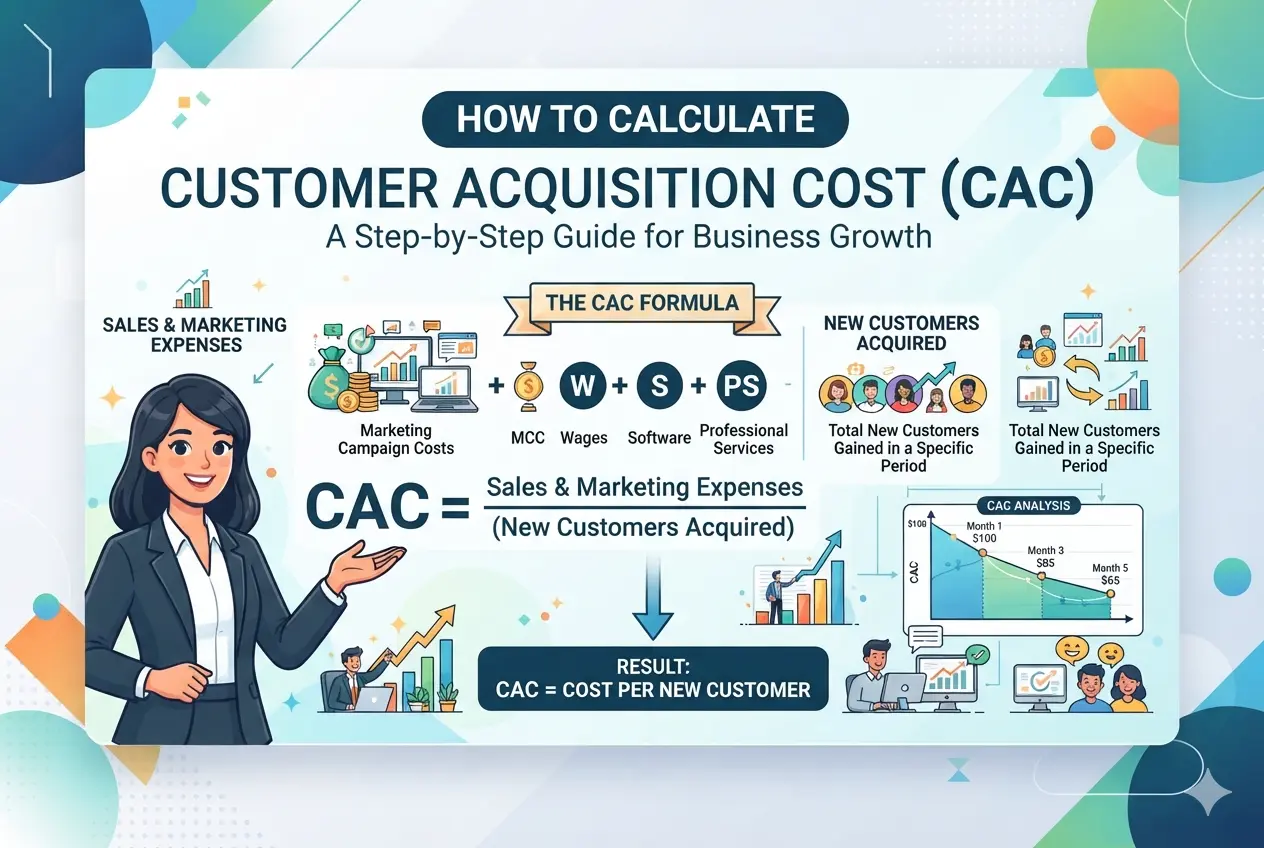
How to Calculate Customer Acquisition Cost (CAC)

Customer acquisition is essential for business growth, but attracting new customers comes at a cost. Businesses invest in advertising, sales teams, content marketing, software, and other activities to turn prospects into paying customers. Understanding how much these activities cost is crucial for building a profitable business. Customer Acquisition Cost (CAC) is a key performance metric … Read more

How to Set the Right Pricing for Your Product

Setting the right price is one of the most important decisions a business makes. Price affects sales volume, profit margins, customer perception, cash flow, and long-term business growth. A price that is too low may generate sales but leave little profit. A price that is too high may increase margins per sale but reduce demand. … Read more

How to Calculate Business ROI Step by Step

How to Evaluate Business Costs Effectively

What Is Business ROI? Business ROI measures how effectively a business generates returns from money invested in an activity, project, asset, marketing campaign, or other business investment. ROI stands for Return on Investment and is one of the most useful financial performance metrics for evaluating whether an investment is creating value. For example, if a … Read more

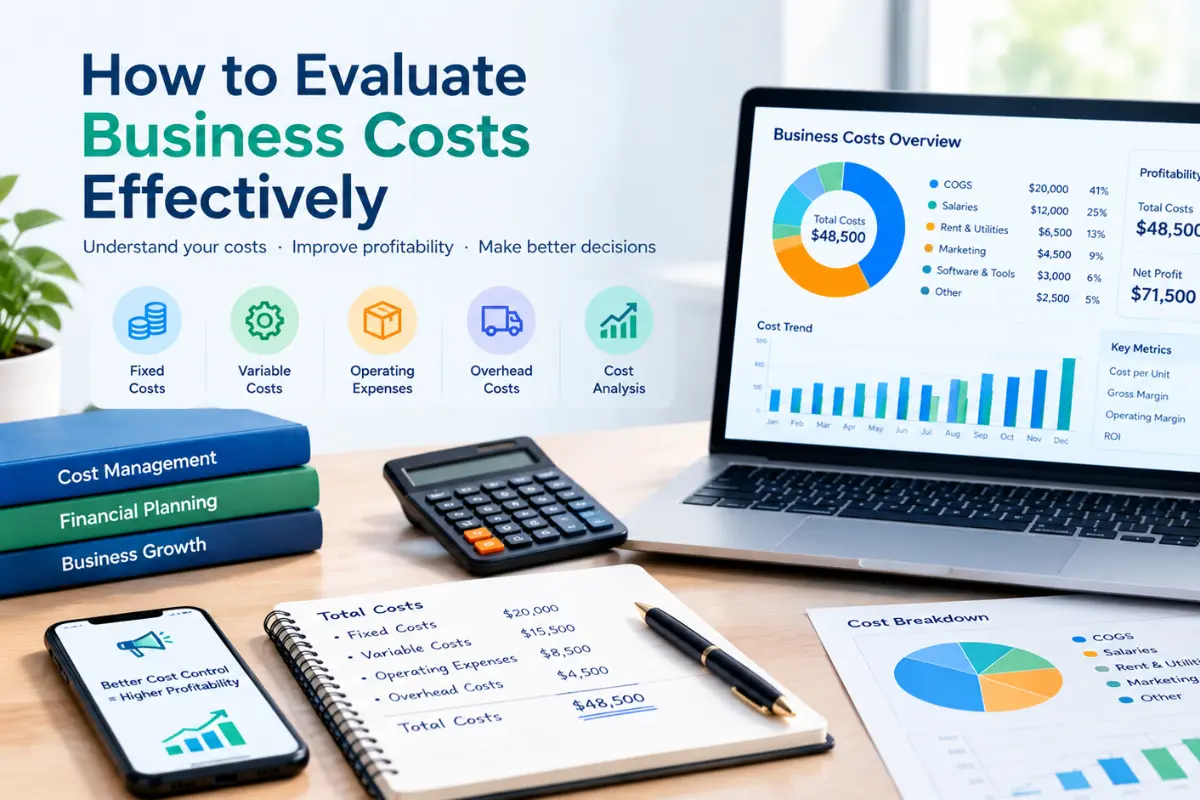
How to Evaluate Business Costs Effectively

How to Evaluate Business Costs Effectively

Understanding and evaluating business costs is a fundamental aspect of running a profitable and sustainable company. Whether you operate a small startup, a growing enterprise, or an established organization, knowing where your money goes helps you make informed decisions, allocate resources effectively, and improve long-term financial performance. Business costs encompass everything a company spends to … Read more

How to Calculate Marketing ROI

How to Calculate Marketing ROI Marketing ROI measures the financial return generated by marketing activities compared with the amount invested in those activities. It helps businesses answer a fundamental question: Is our marketing generating enough financial value to justify what we spend? Marketing teams can generate thousands of leads, website visits, clicks, or social media … Read more

How to Estimate Working Capital

What Is Working Capital? Working capital is the amount of short-term financial resources a business has available to support its day-to-day operations. The simplest formula is: Working Capital = Current Assets − Current Liabilities Current assets are assets expected to be converted into cash or used within the normal operating cycle, while current liabilities are … Read more

How Pricing Affects Profitability

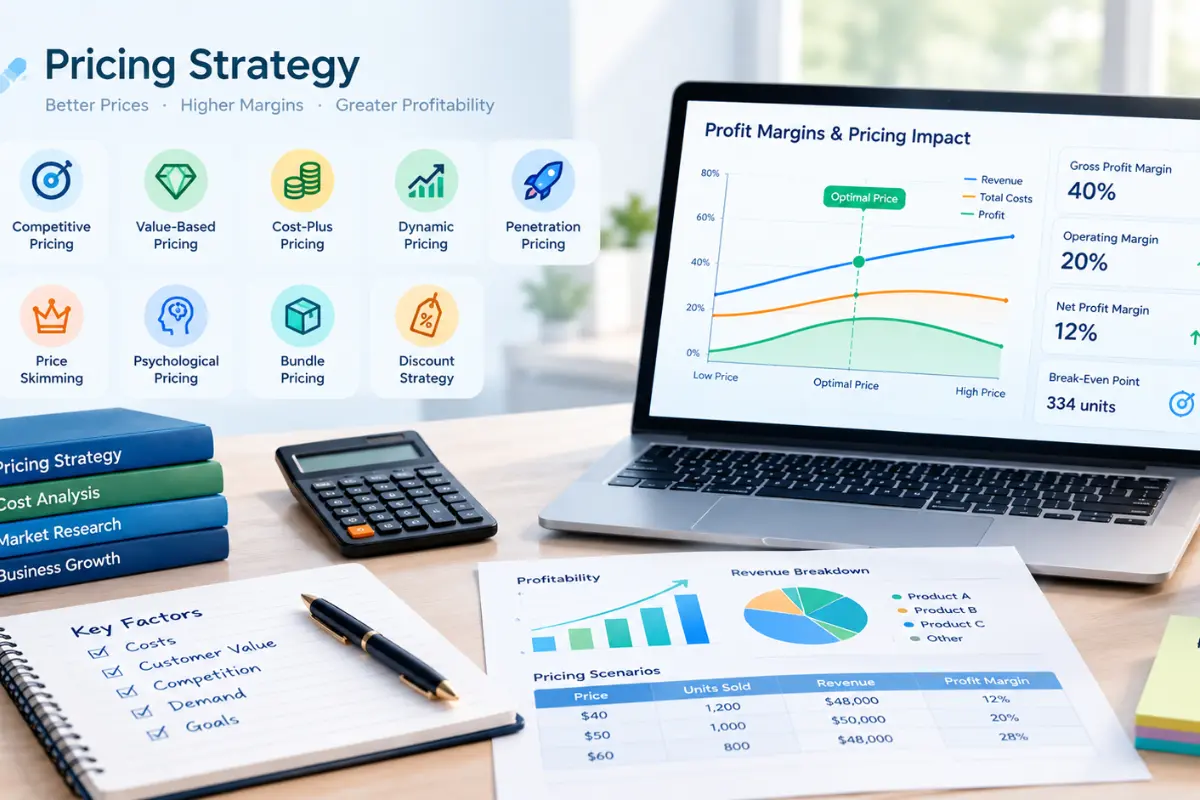
How Pricing Affects Profitability Pricing is one of the most important decisions a business makes. It directly affects revenue, profit margins, customer demand, market positioning, and long-term business profitability. A product can sell thousands of units and still generate disappointing profits if its price is too low relative to its costs. On the other hand, … Read more

How to calculate profit margins

What Are Profit Margins? Profit margins measure how much money a business keeps as profit after accounting for its costs. They are usually expressed as a percentage of revenue. For example, if a business generates $100,000 in revenue and earns $20,000 in net profit, its net profit margin is 20%. Net Profit Margin = Net … Read more